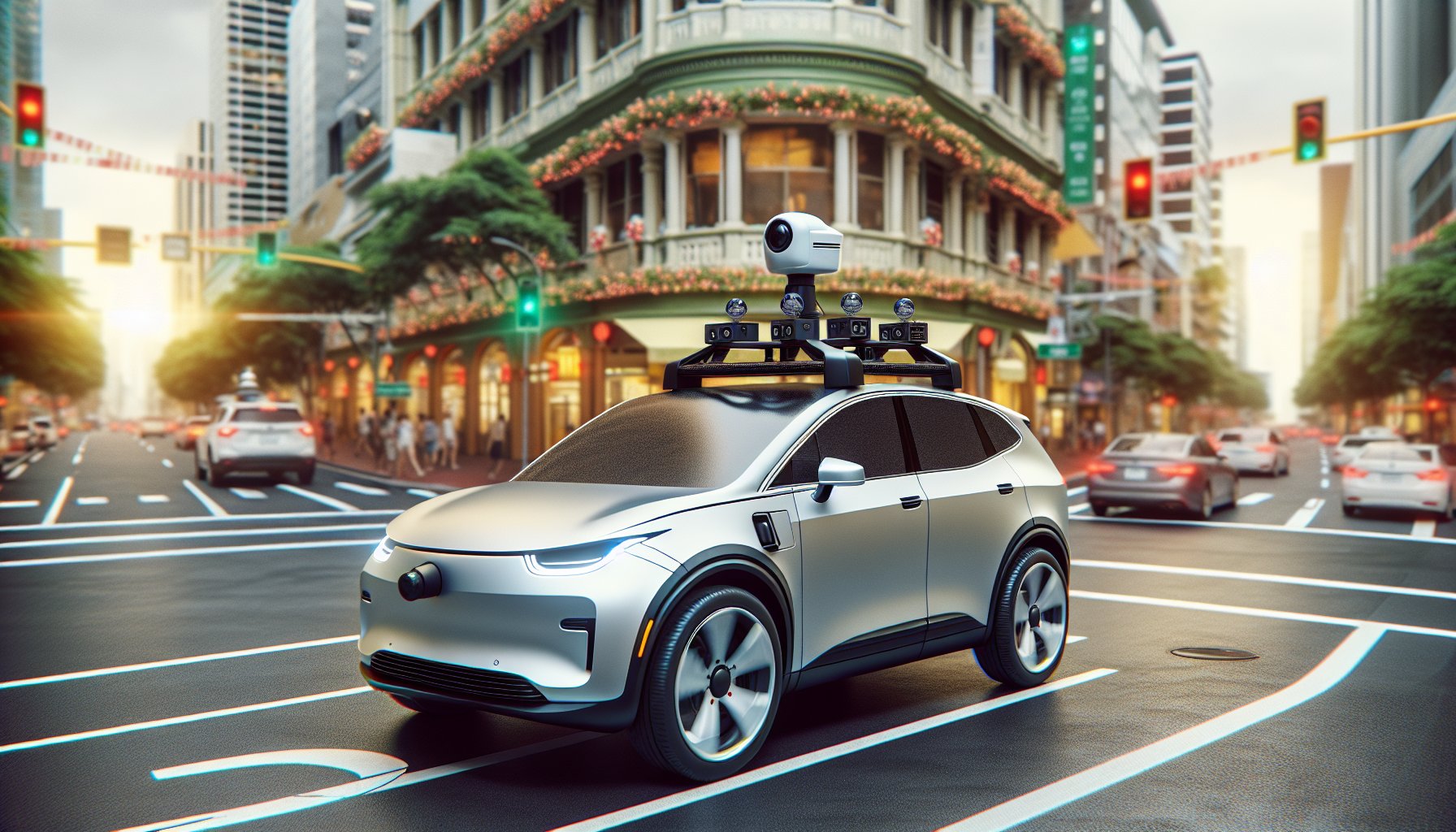
A Foggy Road Ahead for Tesla's Autonomy
Picture the chaos of a foggy highway at dawn: a Tesla zips along on Full Self-Driving mode, oblivious to the thickening mist. That's the nightmare scenario the National Highway Traffic Safety Administration (NHTSA) is probing in its escalated investigation of 3.2 million Tesla vehicles, announced on March 20, 2026. Spanning models from 2016 to 2024, the scrutiny focuses on the software's failure to detect or alert drivers in poor visibility, as detailed in NHTSA documents. This isn't just bureaucratic red tape—it's rooted in crash data and driver complaints that could trigger massive recalls.
The probe arrives amid a string of high-profile incidents. A federal judge recently upheld a $243 million verdict against Tesla for a 2019 fatal crash involving its Autopilot, where a Model S slammed into a fire truck, killing one and injuring another, according to Insurance Journal reports. Then there's the viral video from Austin, Texas, on March 1, 2026, showing an autonomous vehicle blocking an ambulance during a shooting response—highlighting glaring gaps in how these cars handle emergencies.
Regulatory Heat Turns Up the Pressure
NHTSA's actions build on broader worries about Tesla's neural network-driven systems, which train on vast driving data but falter in fog or low light. Officials are digging deep, potentially forcing software fixes that could reshape the industry. Meanwhile, a national safety forum on March 6, 2026, brought together CEOs from Waymo, Zoox, and Aurora to tackle these issues under the Trump administration's watchful eye, as covered by Insurance Journal.
On the legislative front, Virginia Senator Saddam Salim's bill, introduced the same day, aims to greenlight self-driving cars and trucks on roads by 2028—but only with beefed-up safety rules. It's a classic tug-of-war: innovation pushing forward while regulators pump the brakes. In the UK, a similar scheme for automated passenger services kicked off in July 2025, showing how global policies are evolving to keep pace.
These moves signal a pattern of pushback. Experts warn that without mandatory protocols for yielding to emergency vehicles, incidents like the Austin blockage could delay life-saving care. Litigation is piling up too, with verdicts like Tesla's $243 million loss pointing to skyrocketing liability costs that no company can ignore.
Booming Market Defies the Safety Storms
Even as safety scandals swirl, the autonomous vehicle market is exploding. Projections from Coherent Market Insights peg growth from $289.40 billion in 2026 to a staggering $3,127.78 billion by 2033, fueled by a 40.5% annual compound growth rate. Level 3 automation—blending self-driving tech with human oversight—dominated with a 47.8% market share in 2025, striking that sweet spot between capability and caution.
Uber is charging ahead, planning robotaxi expansions to over 10 markets and 15 cities by year's end 2026, with S&P Global Mobility forecasting a global fleet of 100,000 vehicles by 2027. Sales of fully autonomous Level 4 vehicles could surge from under 10,000 in 2025 to 500,000 by 2035. Nvidia's Drive Hyperion platform is powering much of this, landing deals with Hyundai, Nissan, BYD, Geely, and Uber for Level 4 robotaxis, as announced at Nvidia's GTC 2026 conference and reported by MotorTrend.
Partnerships are accelerating the trend. Toyota teamed up with Waymo in April 2025, Nissan plans its ProPILOT rollout for fiscal year 2027, and Lucid joined forces with Nuro and Uber in July 2025. Waymo fuses LiDAR, radar, and cameras with deep learning, while Nissan leans on Lidar and Wayve AI—tech that's turning sci-fi into street reality.
Weighing Economic Wins Against Human Risks
The economic upside is tantalizing: fewer human errors could save countless lives as cities swell with traffic. Yet safety crises cast long shadows. Analysts from Coherent Market Insights highlight how demands for better road safety are ironically driving market growth, but repair times for these complex systems already top 2 billion days annually, per CCCIS data.
Broader implications tie into AI's role in transport, with supply chain insights from S&P Global Mobility underscoring the tech's complexity. In the US, NHTSA's forum and Virginia's bill aim to strike a balance, but unresolved issues—like incomplete incident data and shaky revenue models for fleets—could trip up progress, as noted in CBT News reports.
We're skeptical of the hype. Flashy partnerships from Nvidia and Uber look promising, but NHTSA's Tesla probe lays bare flaws in visibility detection that market forecasts can't gloss over. If regulators don't enforce fixes, expect more multimillion-dollar verdicts and stalled Level 4 adoption by 2035.
Charting the Path to Safer Autonomy
Looking ahead, NHTSA's forum could spark policy shifts soon, with stakeholders hungry for updates on the Tesla investigation—potentially mandating software upgrades across the board. Uber's pilots in Hong Kong, Houston, Madrid, and Zurich roll out in 2026, followed by Tokyo collaborations with Nissan and Wayve later that year.
Nvidia's innovations, like Omniverse NuRec simulations and the Alpamayo 1.5 model, promise better handling of tricky scenarios, as MotorTrend detailed. Global outlooks from S&P Global Mobility predict Level 4 vehicles ruling by 2035. But success hinges on closing safety gaps fast. Industry leaders must prioritize accountability over speed—our bet is on a cautious rollout that cuts expansion timelines by 20%, saving lives and billions in the process. Investors, take note: this isn't just growth; it's a high-stakes evolution demanding real fixes now.