Dawn of the Humanoid Era at BMW
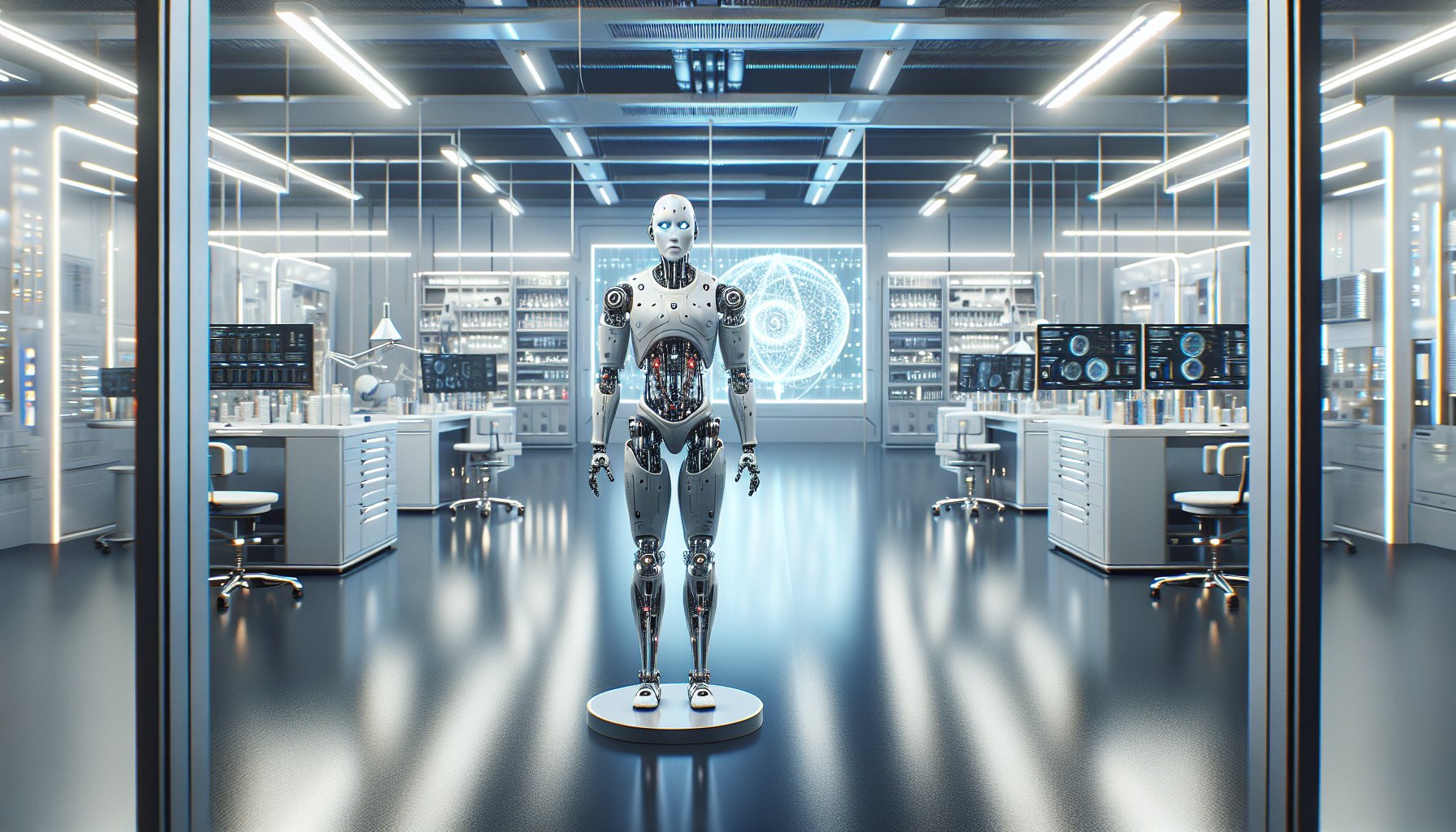
In the bustling halls of BMW's Plant Leipzig, a sleek figure glides across the factory floor—not a worker in overalls, but AEON, the automaker's first humanoid robot deployed in European production. Unveiled on February 27, 2026, this 1.65-meter-tall machine from Hexagon Robotics, a Zurich-based arm of Hexagon AB, signals BMW's bold leap into "Physical AI." It's not just about automation; it's a fusion of brains and brawn, where AI meets robotics to tackle gritty tasks like shuttling materials and assembling batteries.
BMW executives aren't shy about the ambition. They frame AEON as a teammate, not a replacement, for human staff—easing the grind of repetitive or hazardous jobs. Weighing 60 kilograms and zipping along on wheeled legs at up to 2.5 meters per second, the robot boasts 22 sensors, 34 degrees of freedom, and 360-degree cameras for seamless navigation. It even swaps its own battery in under 30 seconds, a nifty trick that keeps it humming without downtime.
This isn't a sudden spark of innovation. It builds on BMW's iFactory strategy, a digitized blueprint for smarter manufacturing. With integrated scanners for quality checks—like scrutinizing vehicle doors—AEON learns through simulations, imitation, and real-time obstacle dodging. Company officials highlight over 1,100 AI applications already saving more than €30,000 each annually, painting a picture of factories evolving into intelligent ecosystems.
From American Trials to European Turf
BMW's AEON debut draws directly from a 10-month pilot in the U.S. at Plant Spartanburg, South Carolina, where Figure AI's Figure 02 robot clocked in for 10-hour shifts, Monday through Friday. That machine handled sheet-metal parts with pinpoint accuracy, moving 90,000 pieces and racking up 1,250 operating hours in body construction—contributing to over 30,000 BMW X3 vehicles rolling off the line before the project wrapped in 2024.
Lessons from Spartanburg proved crucial: reliability in shift work, smooth charging integration, and bridging lab experiments to real production chaos. "Pilot projects let us test Physical AI under industrial fire," said Michael Nikolaides, BMW's senior vice president for production network and supply chain. Now, in Leipzig, the rollout kicks off with lab trials in December 2025, plant tests in April 2026, and a full pilot by summer.
Tying it all together is iFactory's four-tier AI maturity ladder—from basic routines to autonomous agents powered by large language models and digital twins. BMW's partnership with Nvidia brings laser-scanned virtual factories into play, allowing for glitch-free planning. It's a strategic edge in addressing labor shortages, especially in electrification hotspots like battery lines, where ergonomics and safety take center stage.
Racing Ahead in a Robotics Revolution
BMW isn't alone in this high-stakes dash. Tesla's Optimus and Figure AI's expansions underscore a global surge in humanoid tech, with Leipzig claiming the crown as Europe's first automotive site for such robots, per CIO.com reports. "The symbiosis of engineering and AI unlocks new worlds," BMW's statement declares, emphasizing boosted competitiveness through digitalization.
Analysts eye scalability for EV battery production, where humanoids could offload drudgery, letting workers focus on intricate challenges. Robotics and Automation News spotlighted AEON's smarts in battery assembly and component manufacturing, outpacing older collaborative bots. Yet amid persistent manufacturing labor gaps, this tech promises safer, more efficient lines—think global data networks enabling last-minute order tweaks just six days out.
The move aligns with BMW's Center of Competence for Physical AI, though specifics on expansion remain hazy. Collaborations with Hexagon Robotics and Nvidia hint at accelerated growth, potentially spreading across plants via iFactory's interconnected web.
Tempering the Excitement with Real-World Doubts
Let's cut through the gloss: BMW's AEON push dazzles in press releases, but scalability feels like a stretch. Its wheeled setup favors speed over agility, potentially stumbling in cramped factory nooks where legged competitors like Figure 02 shine. With Europe's regulatory thicket—slower than the U.S. sprint—timelines dragging to summer 2026 scream delays.
Those €30,000 savings per AI use case? They ring hollow without independent audits. Investors, take note: Demand uptime stats, not fanfare. This could fizzle into pilot spectacle rather than a factory overhaul, likely not transforming lines until 2027 at best. BMW's talking a big game, but the proof will be in the pudding—or rather, the error-free shifts.
Forging Tomorrow's Factories
Looking ahead, BMW's humanoid gamble could redefine auto production, blending human ingenuity with robotic precision for a safer, nimbler industry. Success hinges on post-April 2026 metrics like uptime and error rates, paving the way for wider adoption. If AEON delivers, expect a ripple effect: factories where robots handle the heavy lifting, workers innovate, and electrification surges forward without the usual bottlenecks.
Uncertainties linger—costs, energy draws, head-to-heads with Figure 02—but BMW's methodical integration via iFactory positions it as a frontrunner. In this robotics race, the winner won't just build better cars; they'll craft the factories of the future. We're betting on steady progress over hype, with Physical AI set to become the new normal by decade's end.