BMW's Leap into Humanoid Robotics
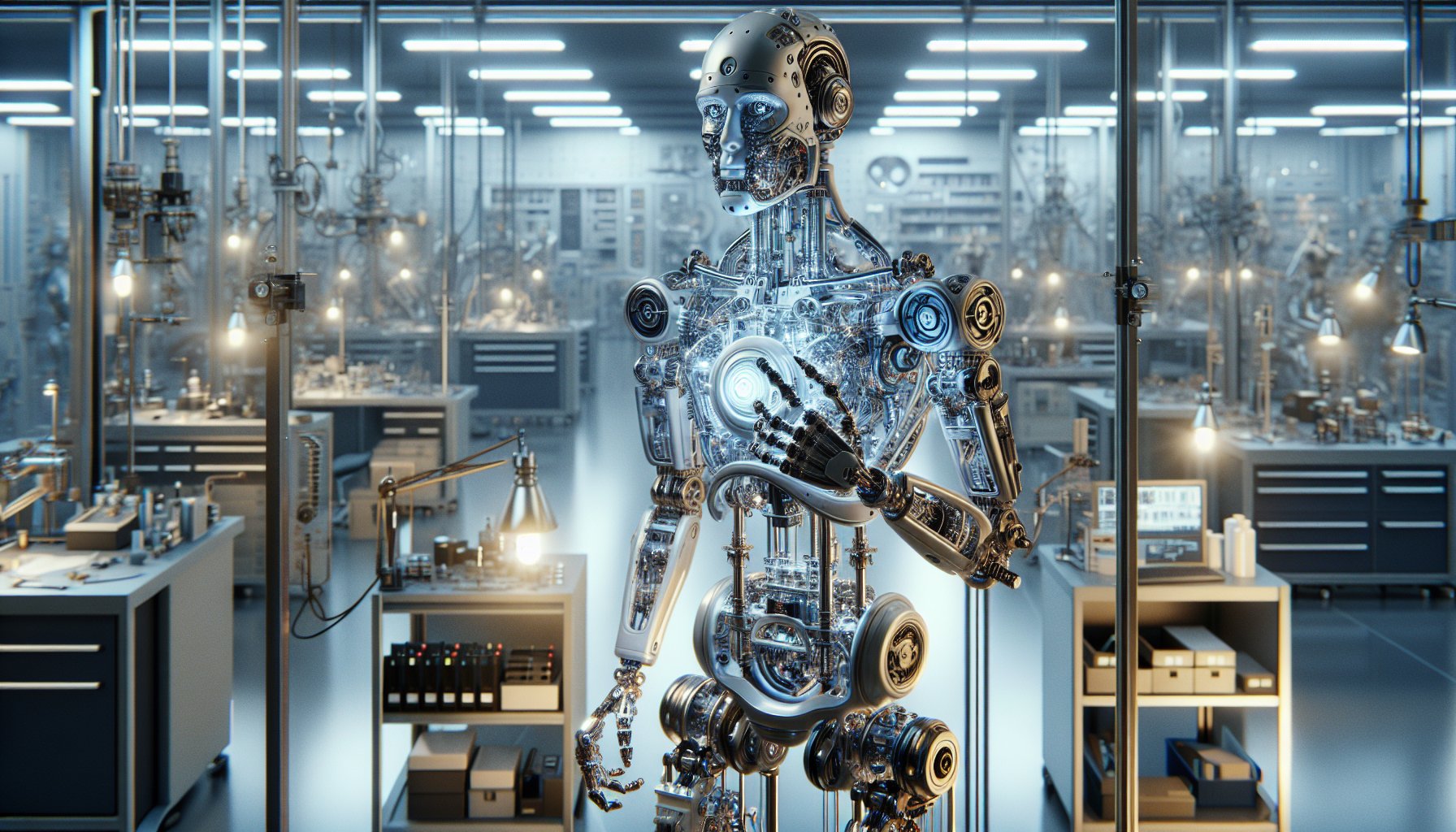
BMW Group unveiled its first humanoid robot, AEON, at Plant Leipzig on Feb. 27, 2026, marking Europe's initial deployment of such technology in automotive production. The pilot project integrates AEON to perform repetitive tasks alongside human workers, leveraging what officials call "Physical AI" to blend artificial intelligence with physical capabilities. This follows a successful U.S. trial at Plant Spartanburg in South Carolina in 2025.
The initiative addresses labor shortages and ergonomic challenges in electric vehicle production, according to company statements. AEON, developed in partnership with Zurich-based Hexagon Robotics, measures 1.65 meters tall, weighs 60 kilograms and moves on wheels at speeds up to 2.5 meters per second. Its human-like upper body allows for tool attachments, enabling tasks such as material delivery, battery assembly and component manufacturing.
BMW executives emphasized that the robot supports high-voltage battery assembly and safety-critical operations without replacing human jobs. "The symbiosis of engineering expertise and artificial intelligence opens up completely new possibilities in production," said Milan Nedeljković, BMW board member for production.
Building on U.S. Successes
The Leipzig deployment builds on a 2025 pilot at Plant Spartanburg using Figure AI's Figure 02 robot, which produced more than 30,000 BMW X3 vehicles and handled over 90,000 components during 10-hour shifts across 10 months, BMW reports. Sources added that Figure AI's next-generation Figure 03 is under evaluation.
AEON underwent lab validation starting in June 2025, with initial deployment in December 2025. Expanded testing begins in April 2026, leading to a full pilot in summer 2026. BMW established a "Center of Competence for Physical AI in Production" to scale expertise across its global network, focusing on integrating digital AI with robots for real-world adaptability.
The robot navigates obstacles and complements existing automation, such as digital twins and autonomous intralogistics. As reported by Automotive Manufacturing Solutions, the Leipzig plant now stands as Europe's first site for humanoid robots in automotive assembly.
Addressing Industry Challenges
BMW's move tackles broader trends in manufacturing, including labor shortages and the growing complexity of electric vehicle battery assembly, according to industry analyses from Electric Cars Report. Humanoid robots like AEON expand existing automation rather than replace it, handling intricate tasks that improve worker conditions by taking on repetitive or hazardous duties.
Competitors, such as Tesla with its Optimus robot, are exploring similar technologies, but BMW claims an edge through proven pilots. Company officials noted that Europe is catching up to U.S. advancements in industrial AI. "Our aim is to be a technology leader and to integrate new technologies into production at an early stage," said Michael Nikolaides, head of BMW Group production network and logistics.
This deployment signals a shift from rigid assembly lines to flexible automation, aligning with BMW's focus on efficient EV component production amid rising demand.
Future Prospects in Automotive Innovation
BMW plans to scale the AEON pilot to full operation by summer 2026, with potential rollout to other global sites beyond Leipzig and Spartanburg, company sources said. Officials will monitor performance in real industrial conditions, including obstacle navigation and task efficiency.
While details on AEON's battery life, payload capacity and error rates remain undisclosed, the project could accelerate EV production timelines. Industry observers expect it to influence competitors, pushing faster adoption of humanoid robots in Europe. BMW's Center of Competence will drive ongoing evaluations, including Figure 03 integration.
Battery Wire's take: BMW's humanoid robot initiative appears strategic, but skepticism surrounds the timeline. Scaling to a full pilot by summer 2026 assumes seamless integration, though past rollouts have faced software glitches and training issues. If AEON performs as promised without disrupting output, BMW could gain a lead in the EV race over Tesla's Optimus. Expect delays, but the technology might boost battery line efficiency by 20% within two years—focusing on augmentation, not replacement, remains the key to success.