Surging Ahead in the Robotaxi Race
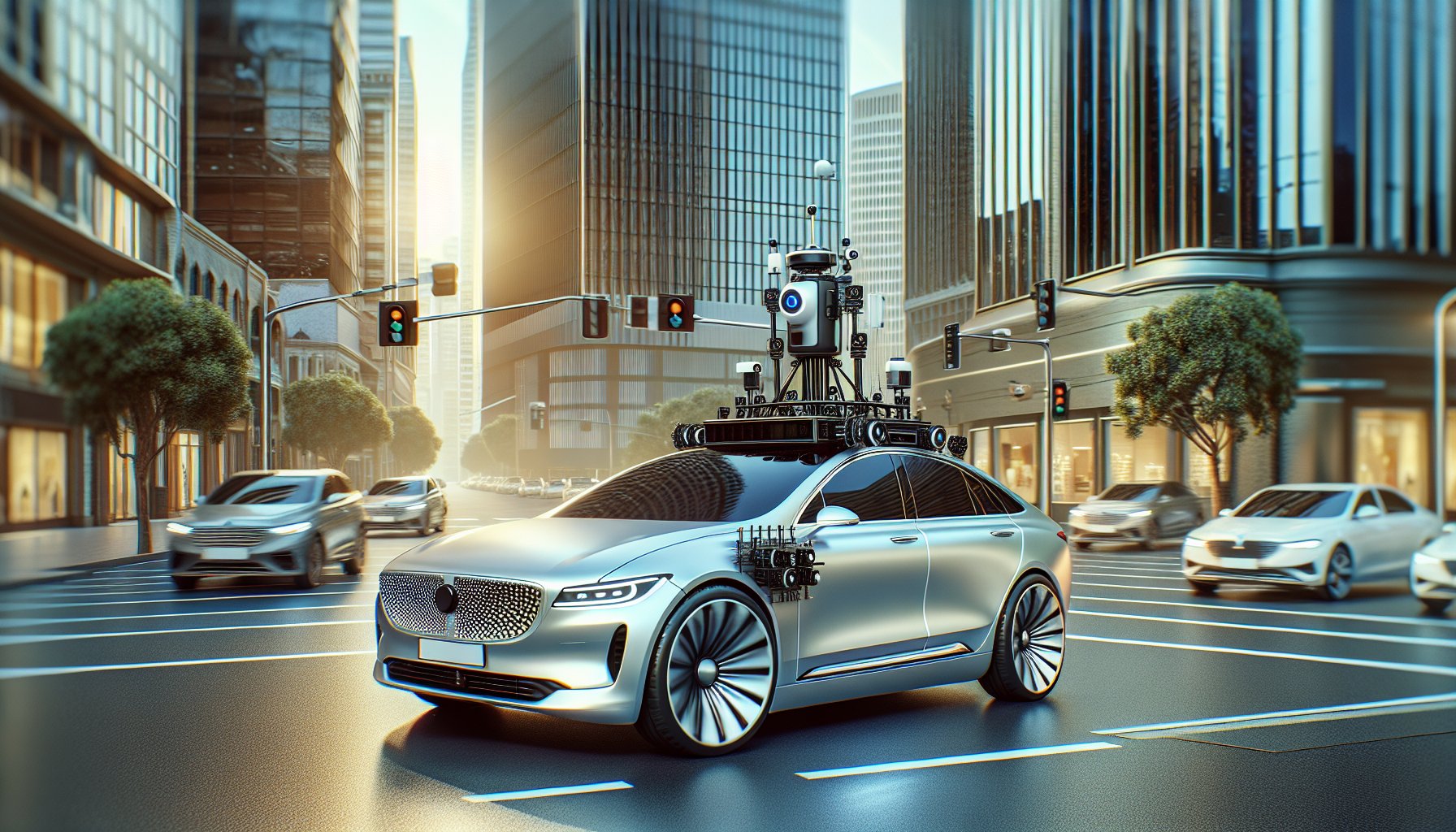
Waymo's robotaxis are clocking serious miles. The Alphabet-owned company announced on X this week that it's now delivering 500,000 paid rides per week across 10 U.S. cities as of March 2026—a staggering tenfold jump from the 50,000 weekly rides it reported back in May 2024. This growth didn't come from flooding streets with more cars; Waymo's fleet has hovered around 3,000 vehicles, equipped with its fifth-generation self-driving tech, according to a December 2025 filing with the National Highway Traffic Safety Administration.
Company officials credit the surge to smarter operations and a bold expansion into seven new Sun Belt cities over the past year. These aren't just numbers on a spreadsheet—they signal a shift in how autonomous vehicles are weaving into everyday life, turning sci-fi dreams into rush-hour reality. But as Waymo accelerates, questions linger about whether this pace is sustainable amid regulatory speed bumps and rising competition.
Efficiency Gains Fuel the Boom
Ridership has exploded without a proportional fleet increase, pointing to sharper vehicle utilization. From 50,000 rides a week in May 2024 to 500,000 by March 2026, that's a tenfold leap in just 22 months, as detailed in Waymo's X post and TechCrunch coverage. The key? Fewer empty cars idling on streets, which means less wasted revenue and reduced urban congestion.
TechCrunch's Kirsten Korosec nailed it: "Empty Waymo vehicles roaming San Francisco or elsewhere don’t make money and increase congestion." Waymo's edge comes from refined routing algorithms and better demand prediction, squeezing more trips out of each Jaguar I-Pace or Chrysler Pacifica in the fleet. With over 3,067 vehicles registered as of late 2025 per NHTSA records, this efficiency is turning heads in an industry where downtime can kill profits.
The Sun Belt focus helps too. Starting from strongholds in Phoenix, San Francisco, and Los Angeles, Waymo added Austin, Atlanta, Miami, Dallas, Houston, San Antonio, and Orlando. These spots offer sprawling suburbs and lighter regulations than coastal hubs, making them ideal testing grounds for scaling autonomy without constant oversight battles.
Navigating New Territories and Rivals
Waymo's aggressive push into these warmer climes is a calculated play for dominance. Expanding to 10 cities in a year lets the company battle-test its tech across urban jungles and suburban strips, building resilience for whatever roads lie ahead. It's not just about volume—it's about proving self-driving cars can thrive in America's diverse landscapes.
Yet competition is heating up, especially overseas. In Seoul, autonomous taxis are set to hit the streets next month with late-night fares around 5,000-6,000 won, according to reports on Korean mobility initiatives. This global pressure could force Waymo's hand on international moves, though the company hasn't tipped its plans yet. Domestically, it's still the frontrunner; GM's Cruise trails in ride volume, and Tesla's robotaxi dreams are stuck in hype mode, per industry insiders.
Regulatory headaches add grit to the glamour. The NHTSA and NTSB are probing Waymo vehicles for sketchy behavior near school buses, while San Francisco officials gripe about gridlocked autonomobiles, based on agency and city records. These snags highlight the tightrope walk between breakneck growth and ironclad safety—expand too fast, and you risk a backlash that could clip your wings.
Tech Upgrades on the Horizon
Waymo isn't resting on its laurels. The company is gearing up to deploy its sixth-generation self-driving system on fresh hardware: the Zeekr Ojai minivan and Hyundai Ioniq 5, as announced recently. This upgrade promises smoother performance in tricky weather and traffic, building directly on the fifth-gen tech powering today's fleet.
Officials say the shift will unlock even more efficient ops across varied conditions, with rollouts potentially kicking off later in 2026. Partnering with Zeekr and Hyundai diversifies Waymo's supply chain, dodging bottlenecks that have plagued rivals. Analysts see this as a launchpad for pushing ridership well beyond current highs, turning efficient fleets into unstoppable networks.
The Road to True Autonomy
Waymo's ridership explosion is a bold statement in a field littered with stalled promises, but let's not crown it king just yet. The Sun Belt strategy is paying dividends by sidestepping the regulatory minefields of denser cities, delivering short-term wins that outpace U.S. competitors. Still, without transparent profitability stats, those efficiency boasts feel like smoke and mirrors—regulatory fines and maintenance costs could erode margins faster than you can say "recall."
Looking ahead, Waymo must confront international upstarts like Korea's launches or risk getting lapped on the global stage. Regulators, stung by school bus incidents, will demand stricter safeguards, potentially forcing a gear shift from sprint to steady cruise. Our bet: This is the spark of an autonomous revolution, but Waymo needs to prioritize safety and transparency to avoid crashing out. If it does, robotaxis could redefine urban mobility for good.