The Demand Surge That's Straining EV Networks
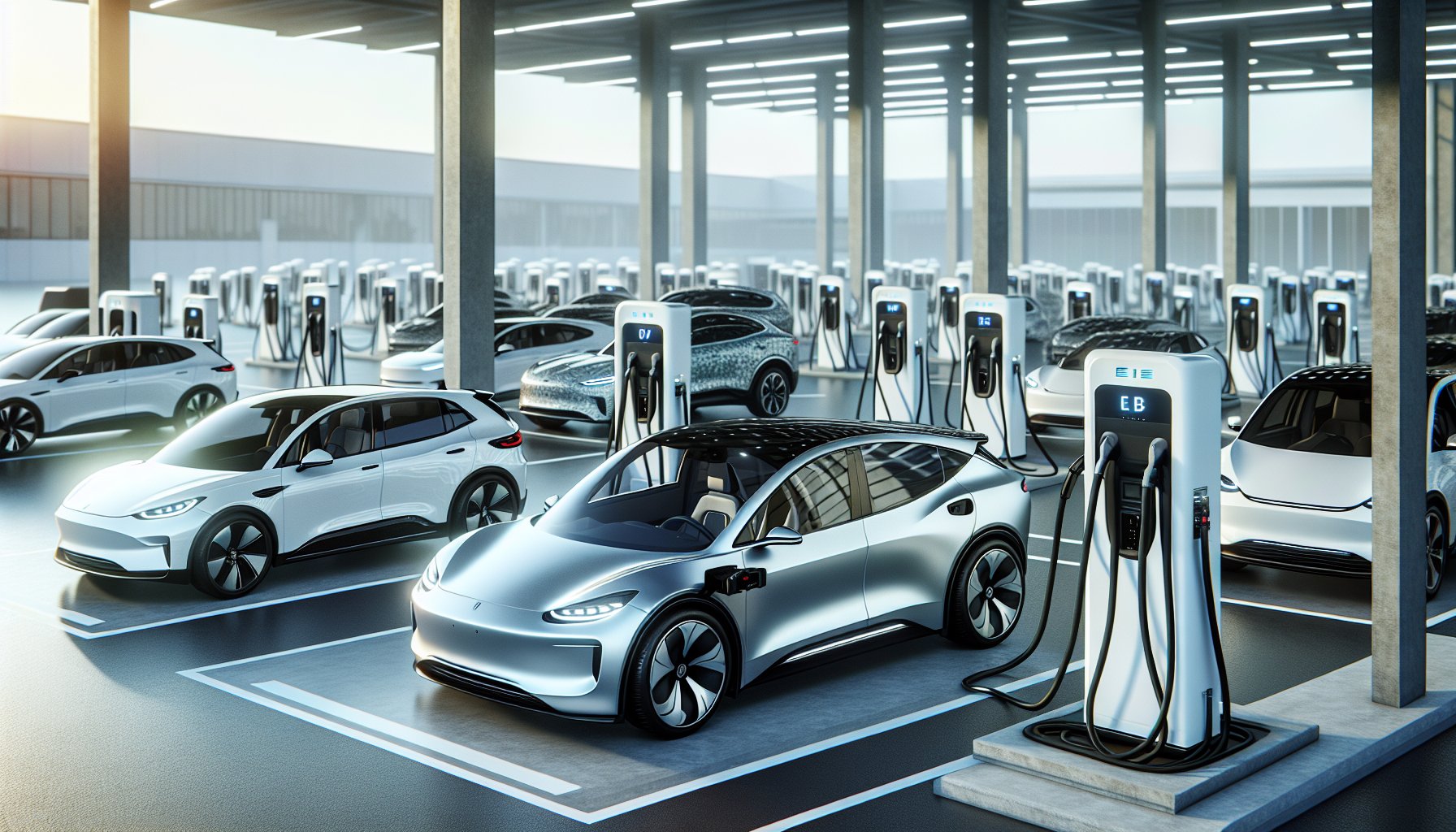
Picture a bustling highway rest stop on a summer road trip: electric vehicles lined up, drivers fidgeting as they wait for a charging spot. That's the reality hitting EV owners worldwide, according to ChargePoint's latest network data. Last year, demand for charging sessions skyrocketed 34%, while new ports grew by just 16%. This gap isn't just numbers on a page—it's a warning sign for the electric revolution, potentially slowing adoption as frustration builds.
ChargePoint, based in Campbell, California, released these figures on Thursday, painting a picture of an industry racing to keep up. Global EV sales climbed 20% in 2025, with Europe leading at a 33% increase. But the real driver? The sheer number of EVs already on the road, not just fresh showroom models. As ChargePoint CEO Rick Wilmer put it, we've entered a new phase where total vehicles dictate demand, promising faster returns for anyone installing chargers in 2026.
Breaking Down the Numbers: Sessions, Miles, and Gaps
ChargePoint added 190,000 new ports last year, yet sessions on its network jumped 34% year-over-year. That created a utilization mismatch of nearly 20%, where demand outstripped infrastructure growth. Over 100 million charging sessions happened in 2025, with more than a million active drivers logging in monthly.
Even more telling: nearly 60% of the 19.3 billion electric miles enabled by ChargePoint over its 18-year history occurred in the past two years alone. Plug-in hybrids made up 16% of commercial AC charging sessions, showing how diverse the EV fleet has become. Analysts like Kevin Williams from InsideEVs highlight this as evidence of accelerating usage, despite only modest increases in total EVs on the road.
The U.S. notched its second-best EV sales year ever, but Europe's explosive growth amplified regional pressures. It's clear the bottleneck stems from cumulative adoption—fleets maturing and racking up miles faster than ports can be built.
Why the Mismatch Matters: Driver Frustration and Operator Challenges
This imbalance erodes trust in EVs. Drivers are already griping about longer waits, as noted in reports from Electrek and Charged EVs. In high-penetration areas like Europe, the strain feels acute, with urban centers in the U.S. not far behind. Public charging stations, especially in cities, bear the brunt, turning what should be a seamless pit stop into a headache.
For operators, it's a double-edged sword. Higher utilization could mean quicker ROI, as Wilmer suggests, but it demands rapid expansion. Without it, networks risk overload. Emerging tech like mobile charging robots from ZiGGY or broader NACS adapter compatibility might help, but they're bandaids on a growing wound. The "hockey-stick" curve of EV miles, as InsideEVs describes, outpaces reliable infrastructure upgrades, leading to degraded experiences and tough investment calls.
Global Pressures and Unresolved Questions
Europe's 33% sales boom spotlights the issue, where denser EV adoption exacerbates bottlenecks. ChargePoint's data doesn't split out regions or charger types—like DC fast versus Level 2 AC—but industry watchers see similar strains everywhere. Competitors such as Tesla's Supercharger network or Electrify America likely face the same crunch, though ChargePoint's report steals the spotlight.
Unanswered details nag: What about peak-hour utilization versus averages? How do fleet vehicles factor in? These gaps leave room for speculation, but the trend is undeniable—global sales up 20% mean the installed base will keep compounding demand, pressuring policymakers for subsidies and faster permitting.
Facing the 2026 Crunch: A Call for Bold Action
ChargePoint warns the gap could widen in 2026 unless installations accelerate. We're not buying easy optimism here; history shows regulatory red tape and supply chain delays can drag projects out for years. This isn't just a blip—it's a crisis that could cap EV market share below 30% in key regions by decade's end if we don't act.
Operators tout ROI, but the bigger threat is drivers ditching EVs over endless waits. Europe might hold strong with its robust networks, yet the U.S. risks stalling first. Push for aggressive policies now—mandate quicker approvals and incentives—or watch the electric future sputter. The ecosystem needs muscle, not more reports, to keep the momentum alive.