Sparks Fly in Tesla's Latest Software Surge
Elon Musk's electric empire just hit the gas on its latest software blitz, beaming update 2026.2.3 to roughly 62% of its global fleet last Friday. This isn't just a routine tweak—it's a bold step amid growing scrutiny from regulators and a seismic shift in how Tesla sells its Full Self-Driving (FSD) tech. Drawing from tracking data on sites like Tessie.com and TeslaFi.com, the update packs in fresh features while addressing lingering safety concerns that have dogged the company since a massive 2023 recall.
At the heart of the rollout is Tesla's pivot away from one-time FSD purchases. Musk announced on X (the platform formerly known as Twitter) that after February 14, 2026, FSD will only be available via monthly subscriptions—a move that's already stirring debate among owners and analysts. In North America, Tesla has yanked Autopilot from new vehicle lineups, swapping it for basic Traffic-Aware Cruise Control as the standard, with FSD now bundled as a 90-day trial. It's a gamble that could steady revenue streams but risks alienating die-hard fans who've bet big on Tesla's autonomy promises.
This update builds on a turbulent history. Back in 2023, the National Highway Traffic Safety Administration (NHTSA) slapped Tesla with a recall of 362,000 vehicles over FSD Beta glitches that led to risky behaviors like speeding through intersections. Tesla dodged hardware fixes by pushing over-the-air patches, merging FSD with highway Autopilot for smoother performance. Outlets like CBT News highlighted how these changes sharpened braking and object detection, but the system still demands constant driver vigilance—far from the hands-off robotaxi future Musk has hyped.
Upgrades That Could Save Lives—or Just Annoy Drivers
Diving into the nuts and bolts, update 2026.2.3 brings Child Left Alone Detection to North American Teslas, a feature that first popped up in Europe last year with version 2025.20.6. If a kid gets forgotten in the car after parking, the vehicle lights up, blasts tones, and pings your app— a smart safeguard pulled from reports on Tesla Oracle and Not a Tesla App. It's the kind of practical add-on that underscores Tesla's push for everyday safety amid flashier autonomy claims.
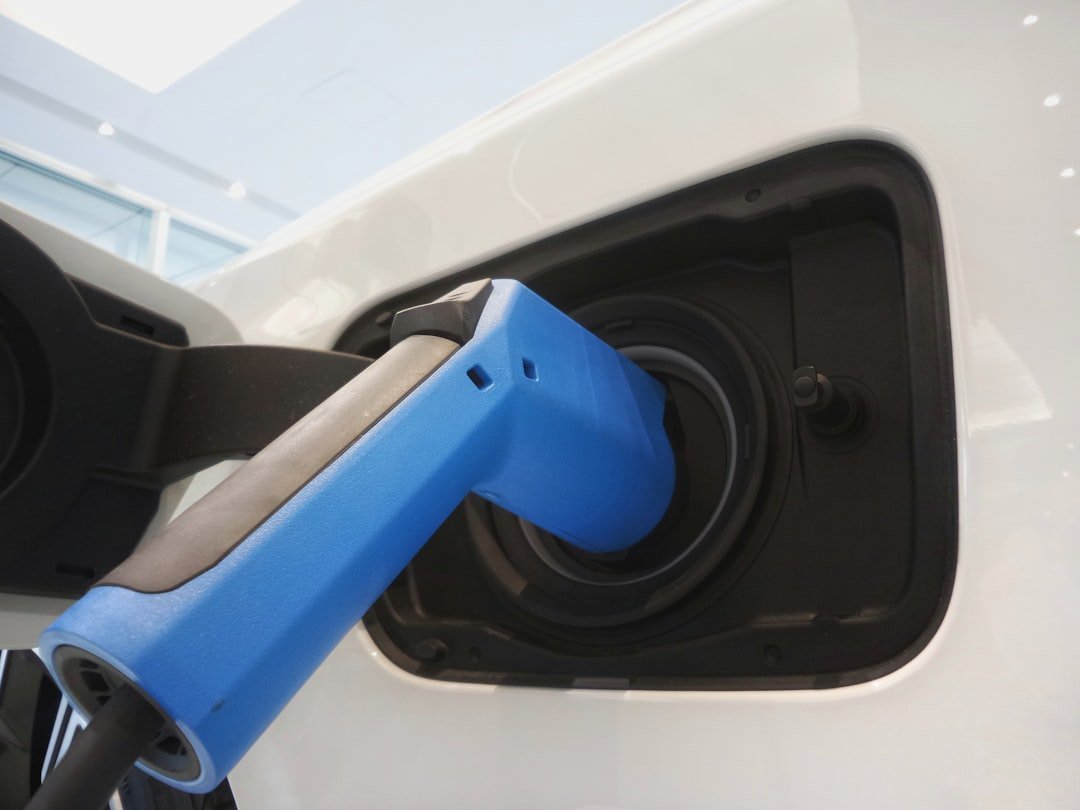
Other tweaks make life easier, like simplified charge cable unlatching and sharper Supercharger maps, plus some under-the-hood security patches. Cybertruck owners get a fun bonus: beta integration with Grok for navigation, blending AI whimsy with real-world driving. But the real star is FSD version 14.2.2.4, which ramps up neural network smarts for spotting emergency vehicles, dodging debris, reading human gestures, and navigating blocked roads or school buses. Release notes from Not a Tesla App detail these vision boosts, aiming to iron out kinks that have plagued earlier iterations.
Hardware still splits the pack. Older HW3-equipped cars lag on FSD versions 12.6.4 or 13.2.9, untouched since May 2025, while HW4 models cruise ahead with 2025.45.9.x and full v14 access. Tesla classifies all this as Level 2 under SAE standards—meaning eyes on the road, hands ready, no matter how advanced it feels. CBT News has covered how this supervised setup keeps drivers in the loop, a far cry from true autonomy.
Speed Profiles add a dash of personality to the mix. Pick SLOTH for a chill vibe or MAD MAX for pedal-to-the-metal aggression, tweaking via the steering wheel scroll. Stats show up in the UI under Controls > Autopilot, letting you fine-tune on the fly. Early forum buzz suggests it's a hit for customizing drives, but it also highlights FSD's core limit: it's still just an assist, not a chauffeur.
From Recalls to Revenue: Tesla's Rocky Road to Autonomy
Flash back to 2023, when NHTSA's probe into FSD Beta exposed dangers like unlawful turns and crash risks, as detailed in reports from CBT News and Yahoo Finance. Tesla's fix? A software merger that let FSD handle highways, improving reaction times at stops and lights. It was a quick pivot, but not without precedents—remember the 2021 rollback of FSD v10.3 after glitches, as chronicled in The Guardian.
Since then, over-the-air updates have piled on features, evolving from basic Autopilot (think cruise control and autosteer) to advanced tricks like traffic light recognition, auto-parking, and summon. Yet Musk's subscription announcement, echoed by Electrek, marks a departure from his "appreciating asset" pitch. In North America, outlets like Drive Tesla Canada and Edmunds noted the quiet ditching of Autopilot, leaving Traffic-Aware Cruise as the baseline and extending FSD trials to 90 days.
This isn't just tech talk—it's a business overhaul. By going subscription-only, Tesla apes software giants like Adobe and Microsoft, chasing steady cash flow. But it comes as FSD lingers at Level 2, with warnings in official notes (via Not a Tesla App) stressing supervision to avoid complacency. Regulators are watching closely, and while no fresh recalls tie to 2026 updates, the pressure cooker is on.
The Verdict: Subscriptions Might Stall Tesla's Momentum
Tesla's all-in on subscriptions smells like a desperate bid to monetize unfinished tech. After years of teasing robotaxis that remain pipe dreams, axing one-time $15,000 FSD buys feels like a slap to early adopters who've been strung along. This won't mask FSD's stubborn Level 2 status—it's essentially souped-up cruise control, and NHTSA crackdowns will only intensify. Lawsuits from jilted owners loom, and with rivals like Waymo nailing unsupervised driving, Tesla's billing shuffle could backfire spectacularly. Real progress demands hardware breakthroughs, not payment plans, or the company risks getting lapped in the autonomy sprint.
Safety wins shine through, like v14's sharper obstacle handling that builds on 2023 fixes. For consumers, subscriptions lower entry barriers but erode that "forever value" allure. Regulators? They're the wildcard, with ongoing oversight hinting at more hurdles ahead.
Accelerating Toward an Uncertain Horizon
Looking ahead, Tesla's February 14, 2026, deadline for one-time FSD sales leaves pricing details fuzzy, but rollout patterns from TeslaFi.com suggest HW4 vehicles will soon snag full v14 on the 2026.2.3 branch. Driver chatter on forums paints mixed pictures of Speed Profiles and Child Detection, with highway tweaks showing promise but emergency scenarios still iffy.
Ongoing over-the-air tweaks could close those gaps, potentially stabilizing revenue for investors. But the big question hangs: Will this propel Tesla toward true autonomy, or just prolong the hype? With competitors advancing and regulators circling, Tesla must deliver hardware muscle to match its software swagger—otherwise, the road to robotaxis stays a distant mirage.