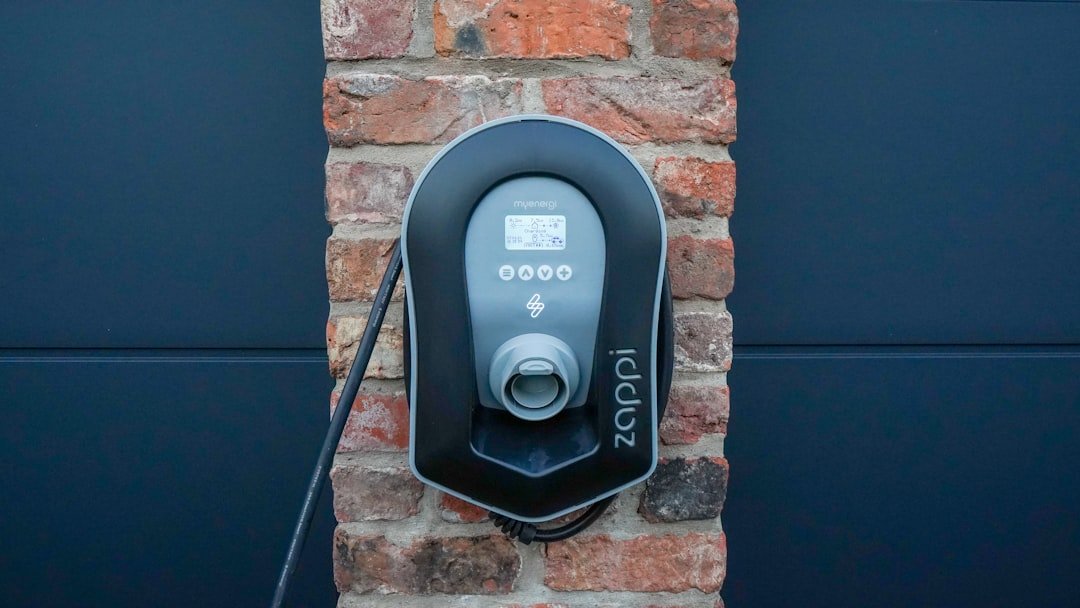
A federal judge ruled that the U.S. Department of Transportation and the Federal Highway Administration illegally withheld about $1 billion in funds for electric vehicle charging infrastructure from 20 states and the District of Columbia. The decision, issued in late January 2026 by Judge Tana Lin, deemed the actions arbitrary and capricious under the Administrative Procedure Act. The withholding followed an executive order from President Trump on his first day in office in January 2025. The ruling permanently bars the agencies from suspending approved state plans or withholding funds unless authorized by Congress in the 2021 Infrastructure Investment and Jobs Act.
The Lawsuit and Ruling Details
Attorneys general from Washington, California, and Colorado led the lawsuit, filed in May 2025. They challenged the Trump administration's directive that halted the National Electric Vehicle Infrastructure Formula Program, according to a Washington Attorney General press release. The program, funded with $5 billion from the 2021 act, supports EV charging stations along highways.
A preliminary injunction in June 2025 temporarily reinstated funding. Maryland, for example, received $34.5 million, WJLA reported. The final summary judgment in late January 2026 made the injunction permanent.
Judge Lin stated in the order: "Such capriciousness runs counter to the Administrative Procedure Act; it is simply not how things are lawfully done," according to the Washington AG release and WJLA.
The coalition included attorneys general from these states:
- Arizona
- California
- Colorado
- Delaware
- Hawaii
- Illinois
- Minnesota
- New Jersey
- New Mexico
- Michigan
- New York
- North Carolina
- Oregon
- Rhode Island
- Vermont
- Washington
- Wisconsin
Governors from the District of Columbia, Kentucky, and Pennsylvania also joined. Seven environmental nonprofits supported the suit, sources said.
ENR reported the ruling reopens access to hundreds of millions of dollars, allowing states to resume stalled projects. These include corridor charging installations by companies like Electrify Commercial.
Just Security tracked the case as part of broader legal challenges to the Trump administration's actions.
Background on the Funding Halt
Congress passed the Infrastructure Investment and Jobs Act in 2021. It allocated $5 billion for the NEVI program to build a national network of EV chargers. States had approved plans and begun executing them before the interruption.
Trump issued the executive order in January 2025. It directed federal agencies to stop releasing NEVI funds, halting ongoing work despite congressional approval. This disrupted Biden-era climate initiatives, according to ACT News and ENR.
Washington Attorney General Nick Brown said: “All across the state, Washingtonians are embracing clean energy and switching to electric vehicles, and they need a robust network of charging stations... That’s why my team and I have fought so hard to make sure the federal government follows the law,” per the Washington AG press release.
Maryland Attorney General Anthony Brown added: “Expanding access to charging stations gives Marylanders the confidence to drive the electric vehicles essential to meeting our climate goals... Our lawsuit preserved this critical funding that helps protect our environment for our children and grandchildren,” WJLA reported.
The halt risked gaps in charger reliability for drivers. It stalled construction nationwide, sources confirmed.
Implications for EV Infrastructure
The ruling enforces congressional intent over executive actions. It unlocks funds critical for EV adoption as U.S. electric vehicle sales rise.
Bryan Gottlieb of ENR wrote: "A federal court ruling has reopened access to hundreds of millions of dollars in electric-vehicle charging funds, clearing the way for states to resume stalled National Electric Vehicle Infrastructure (NEVI) projects."
This aligns with federal goals for 500,000 chargers by 2030. It counters policy shifts that delayed green tech funding.
The decision reflects growing litigation in climate and tech sectors. Just Security noted it as one of several challenges to Trump 2.0 policies.
States can now advance robust networks. This boosts projects like highway corridor chargers, essential for long-distance EV travel.
What's Next: Project Resumption and Challenges
ENR indicated projects will resume immediately. Hundreds of millions in funds become available for construction.
However, disbursement timelines remain unclear. USDOT has not confirmed appeals, sources said.
The ruling could speed EV infrastructure growth. It supports expansions by networks like Tesla Superchargers and Electrify America.
Early adopters on forums like Reddit have complained about charging gaps from the delays. One user noted stalled sites in the Midwest left drivers stranded.
Battery Wire's Take
This ruling exposes a reckless overreach by the Trump administration that wasted a year of progress on EV infrastructure. Trump's day-one order wasn't just poor policy—it was illegal, and it backfired spectacularly by galvanizing a coalition that forced accountability. We predict more such wins for climate funding, as courts consistently side against executive whims that ignore Congress. The real loser here is American drivers, who endured unnecessary delays in a network that's already lagging behind Europe and China. Don't expect the administration to learn from this; similar stunts will keep courts busy.