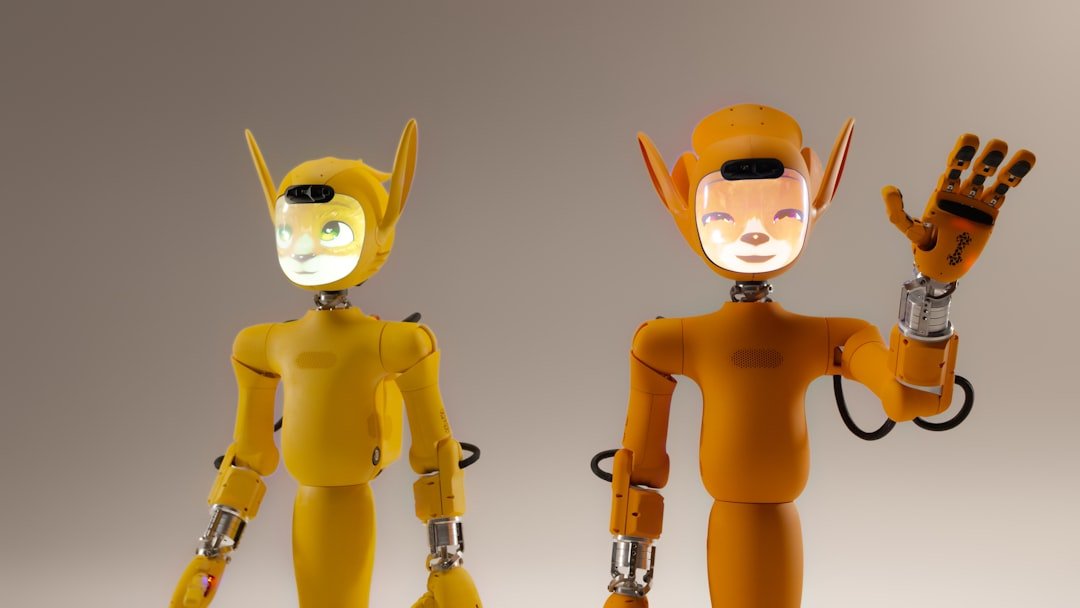
Las Vegas, Jan. 7, 2026 (AP) — Boston Dynamics unveiled its production-ready, fully electric Atlas humanoid robot at CES 2026 here, shifting from research prototypes to commercial use. The company announced initial shipments to Hyundai factories for tasks like material handling and assembly, according to a press conference and reports from CNET and Intnews. Hyundai Motor Group, Boston Dynamics' parent, will deploy the robots imminently in automotive production lines.
The reveal marked Atlas' first public appearance outside labs. Spot robots danced on stage before the Atlas debut, as described by Mashable. CNET reported a hands-on experience with a static model, including holding its hand and examining finger joints.
Key Features and Specifications
Atlas stands 1.9 meters tall and weighs about 90 kilograms, according to Aparobot and Intnews. It features 56 degrees of freedom for human-like movement and can lift up to 50 kilograms.
Key specifications include:
- 4-hour battery runtime with 3-minute autonomous hot-swappable batteries.
- IP67 rating for harsh environments, operating in temperatures from -20°C to 40°C.
- Advanced hands with tactile sensing for precise manipulation.
- Integration with manufacturing execution systems and warehouse management systems via Orbit software.
The robot uses a soft-touch plastic shell in periwinkle blue, contrasting with earlier industrial designs, CNET reported. Observers noted mixed reactions of awe and fear during interactions.
Boston Dynamics VP and GM of Atlas Zachary Jackowski said the robot's legs resemble "nothing anyone else was doing," according to CNET. The design draws from decades of research, Aparobot stated.
AI Integration and Capabilities
Boston Dynamics partnered with Google DeepMind to incorporate Gemini AI, enabling natural language understanding and real-time task reasoning, Aparobot and Intnews reported. The system allows rapid learning within a day and fleet-wide replication of skills.
Atlas supports autonomous operation, teleoperation, and tablet control. It handles locomotion, dynamic balancing, object avoidance, and collaboration with humans.
The robot adapts to tasks like sequencing engine parts and assembly in factories, according to Intnews. "The robot guarantees 4 hours of runtime with a 'hot-swappable' battery that can be replaced autonomously in just 3 minutes, allowing near-continuous work cycles," Intnews stated.
NVIDIA technology enhances AI features, Aparobot mentioned. This integration positions Atlas for scalable deployment in logistics and manufacturing.
Deployment and Industry Context
Hyundai Motor Group plans to integrate Atlas into global production lines as the first customer, Intnews reported. "Hyundai Motor Group... will be the first customer to integrate the Robot Atlas into its global production lines," the outlet said.
The deployment addresses labor shortages in manufacturing, enabling heavy and repetitive tasks, according to Aparobot use cases. Hyundai highlighted the shift at CES with tags like #Atlas, per its Newsroom.
Boston Dynamics evolved Atlas from hydraulic versions shown in 2017, which performed backflips, NBC News reported. The company, acquired by Hyundai in 2021, transitioned from DARPA-funded research to commercial products, as noted in its blog.
This fits broader trends in humanoid robots, including competitors like Tesla's Optimus and Figure AI, amid AI advancements, Mashable reported. Hyundai's focus on robotics signals a pivot toward AI-augmented automation for efficient factories, according to Intnews.
CNET awarded Atlas "Best Robot of CES," calling it one of the world's most advanced humanoids. "When I say that I went hands-on with the new Boston Dynamics Atlas robot, I mean that I actually held hands with it," CNET wrote.
Outlook and Next Steps
Shipments to Hyundai factories will begin imminently after CES, CNET and Intnews reported, though exact timelines remain unspecified. Production scale and pricing details were not disclosed.
The robot's environmental resilience suits warehouses and factories, Aparobot stated. Future expansions could include broader industrial applications, based on the partnership with Google DeepMind.
Boston Dynamics plans to replicate learned tasks across fleets, enabling quick adaptations, according to Intnews. Observers anticipate impacts on automotive and logistics sectors as humanoid robots gain traction.
The CES 2026 debut, on Jan. 7, featured a video-linked demonstration, Aparobot reported. No major contradictions appeared across sources, though details on live operational demos were limited to static models.