Tesla's Robotaxi Revolution Takes Flight in Austin
Tesla marked a significant milestone in autonomous transportation on Jan. 27, 2026, launching its first paid, fully unsupervised Robotaxi rides in Austin, Texas, without human drivers or chase vehicles. The rides, randomly selected from regular bookings, transitioned the technology from testing to commercial use, as detailed in summaries of Tesla's Q4 2025 earnings call by NotATeslaApp. This debut followed a limited launch in June 2025, during which Tesla accumulated nearly 700,000 paid Robotaxi miles, according to the earnings shareholder deck cited by Tesery.
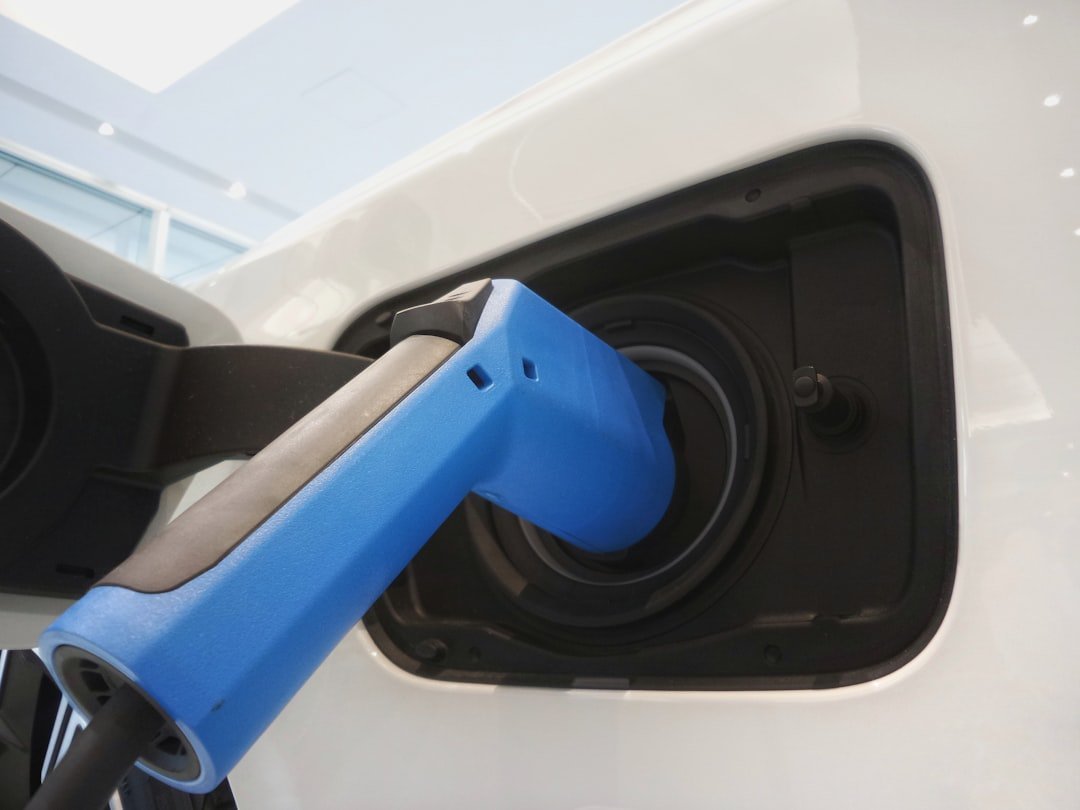
The achievement highlights Tesla's Full Self-Driving (FSD) system's readiness, powered by neural networks that adapt without high-definition maps—a key difference from competitors relying on predefined routes. Engineers note the Cybercab's role in handling navigation, automated charging and cleaning. Recent prototypes feature manual charging ports as a temporary solution, with wireless induction charging in development, per Teslarati reports, addressing scalability amid challenges like heat dissipation and energy efficiency.
Engineering the Magical User Experience
Tesla is hiring an iOS engineer to lead Robotaxi app development, focusing on features from architecture to implementation for "delightful and polished experiences that make Robotaxi not just functional, but magical," according to the job listing on Tesla's careers site, as highlighted by Teslarati. Responsibilities include collaborating with design and firmware teams on summoning, tracking, frictionless entry, trip planning, real-time updates and media controls.
Key technical focuses include:
- Scalable architecture for low-latency responses in vehicle summoning.
- User interfaces managing dynamic data like location and ETA from FSD neural networks.
- Integration with firmware for hardware control, such as doors and infotainment.
- Polished UX with haptic feedback and augmented reality for trip visualization.
This emphasis on software differentiates Tesla from apps like Uber or Lyft, which coordinate human drivers. Tesla's app orchestrates a driverless ecosystem, potentially including predictive routing based on user habits, echoing its existing mobile app. Drawing parallels to aviation autopilot systems, the app abstracts complexity, allowing riders to focus on the journey.
Validating Autonomy Through Real-World Miles
Tesla's 700,000 paid Robotaxi miles since June 2025 validate its platform across diverse urban scenarios, from Austin's grids to variable traffic, as broken down in Tesery's coverage of the earnings deck. FSD neural networks refine behaviors via over-the-air updates, eliminating the need for city-specific maps used by rivals like Waymo.
Operational highlights show Tesla's progress:
- Austin's unsupervised mode relies solely on FSD for navigation and emergencies, claiming commercial viability.
- Bay Area pilots use safety drivers for data collection, informing wider rollouts.
- Cumulative metrics represent over 10,000 hours of operation with low failure rates, supporting expansion.
The Q4 2025 earnings call, summarized by NotATeslaApp, positioned the Austin debut as proof of unbiased deployment. However, skeptics flag potential regulatory gaps in new markets that could slow momentum.
Accelerating Expansion Across Seven Cities
Tesla plans to expand Robotaxis to seven additional U.S. cities—Dallas and Houston in Texas; Phoenix, Arizona; Miami, Orlando and Tampa in Florida; and Las Vegas, Nevada—by the first half of 2026, per Tesery's earnings call coverage. This builds on Austin's driverless operations and Bay Area pilots, using FSD's adaptive AI to navigate without geofencing.
Expansion phases include:
- Initial pilots in Austin and the Bay Area for data gathering, with Austin fully driverless since Jan. 27, 2026.
- H1 2026 targets favoring sunbelt cities for easier validation in favorable weather.
- Fleet ramps starting in April 2026 with 4680 batteries, enabling higher energy density, as noted in Teslarati headlines.
Challenges include diverse environments like Las Vegas's tourist areas or Miami's humidity, testing FSD's limits. Tesla's approach promises cost drops below 50 cents per mile, disrupting Uber and Lyft by eliminating driver wages and potentially capturing 20% to 30% of the U.S. ride-hailing market by 2028.
Challenging Ride-Hailing Giants and Beyond
Tesla's Robotaxi threatens Uber and Lyft's gig-based model, evolving the company into an AI platform with mature unsupervised FSD, as emphasized in earnings. The 700,000 miles demonstrate efficiencies, cutting costs by up to 60% over human-driven rides, based on industry benchmarks. Tesla stands against AV specialists like Cruise or Zoox with its learning neural networks, akin to Elon Musk's vision for Optimus robots.
Musk stated in the Q4 earnings call, via Teslarati: "Optimus really will be a general-purpose robot that can learn by observing human behavior ... long-term Optimus will have a very significant impact on the US GDP." This hints at integrated ecosystems for fleet maintenance. Consumer adoption may surge via the app's intuitive UX, but labor displacement could reshape urban economies.
Navigating Hurdles Toward AI-Driven Mobility
Battery Wire's analysis tempers the hype: The H1 2026 timeline appears optimistic amid regulatory and scaling challenges, echoing past EV delays. Without federal rules, city hurdles could postpone unsupervised operations. The 700,000 miles are promising, but variables like weather and pedestrians may reveal FSD weaknesses; transparent safety data is essential over marketing flair.
Looking ahead, success hinges on April 2026 Cybercab production with enhanced batteries for 300-plus-mile ranges and wireless charging. If executed, Tesla could redefine mobility through optional ownership models, cementing AI supremacy. Competitors like Waymo remain threats, but Austin's proof-of-concept signals scalable disruption—if timelines hold.