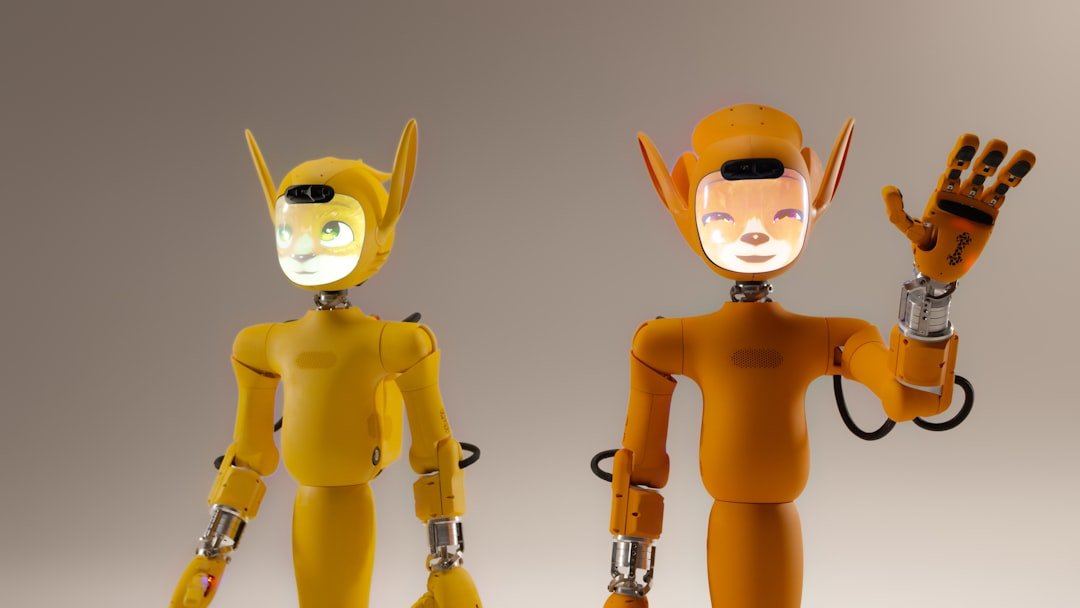
Figure's Groundbreaking Dishwasher Demo
Figure, a California-based robotics company, released a video this week showing its Figure 02 robot autonomously completing a full dishwasher cycle in a kitchen. The four-minute sequence depicts the robot unloading clean dishes, storing them in cabinets and drawers, and reloading dirty ones without human intervention.
Company officials called the feat the longest and most complex autonomous task by a humanoid robot to date, according to a Futurism report. Powered by Helix 02 AI software, the demo underscores advances in household robotics amid rising competition from companies like Tesla.
The video highlights practical applications, shifting focus from flashy stunts to everyday chores. This development comes as the industry grapples with labor shortages in homes and manufacturing.
Robot's Advanced Capabilities and Training
The video shows the Figure 02 robot, a black-and-white humanoid, performing the task in a continuous loop. It kicks open the dishwasher door with its foot and bumps a drawer closed with its hip, drawing from motion-captured human data, company representatives told Futurism.
Helix 02 software functions as a single neural system, controlling the robot's full body directly from pixel inputs. This enables dexterous actions across an entire room, Figure claimed in its press release, as reported by Futurism.
Training involved more than 1,000 hours of human motion data combined with sim-to-real reinforcement learning. This method transfers skills from simulations to physical robots, building on previous demos such as sorting packages in warehouses, loading washing machines and folding laundry.
Sources like Yahoo and Reddit echoed the Futurism coverage, noting the video's rapid online sharing. However, available reports lack independent verification of the footage.
Industry Shift to Practical Robotics
Humanoid robotics has evolved from showy feats, like Boston Dynamics' Atlas performing backflips, to practical tasks driven by AI advances in vision and reinforcement learning. Figure, founded in 2022, targets labor shortages in homes and manufacturing, with the dishwasher demo aligning with this goal.
It positions the company against rivals like Tesla's Optimus, which has demonstrated shirt-folding and block-sorting. Broader trends include sim-to-real methods that enable generalization without retraining, potentially addressing needs in aging populations and busy households.
Analysts estimate the home services market exceeds $100 billion, per industry context in Futurism. Competitors like 1X also pursue home bots, with Tesla showcasing household chores in 2025 demos.
Figure described the task as a leap in end-to-end autonomy: "A single neural system can control the full body directly from pixels, enabling dexterous, long horizon autonomy across an entire room," the company stated, according to Futurism. The claim of the "longest horizon" task remains unverified against competitors.
Skepticism and Limitations Highlighted
Hacker News users flagged potential limitations, with one commenter, identified as HAL3000, stating: "All of the examples in videos are cherry picked... if repeated 10 times, will enter failure mode because the happy path is so narrow... These things are not ready for anything besides tech demos currently."
Skeptics argue demos hide brittleness, as real kitchens feature greasy dishes and clutter. Figure's video depicts a controlled environment, with no data on failure rates or varied conditions.
Hacker News mentioned a Figure 03 announcement about three months prior, around November 2025, suggesting the demo builds on evolving hardware. This raises questions about rapid iterations and real-world readiness.
Battery Wire's take: This demo impresses on the surface, but skepticism persists about its translation to real homes soon. Figure's controlled four-minute run ignores everyday kitchen chaos, such as sticky residues or mismatched dishware that could trip up the AI. Competitors like Tesla have faced similar hype cycles, only to delay deployments due to reliability gaps. Without third-party benchmarks in messy, novel setups, this risks being another polished video that fizzles in practice. Investors should demand failure-rate data before committing; otherwise, it's just demo theater delaying true adoption by years.
Future Prospects and Challenges Ahead
Figure plans to iterate on Helix software, positioning this as a step toward commercial humanoids for homes. The demo, released in late 2025 or early 2026 per Futurism, follows a post-2023 AI boom prioritizing long-horizon tasks for viability.
Unanswered questions include hardware specs, such as actuators, onboard compute and battery life for extended tasks. Scalability remains unclear, with no specifics on cost per unit or deployment timelines.
Industry watchers call for independent tests and repetition in varied environments to address skepticism. Cross-checks against Tesla's Optimus Gen 2 could challenge Figure's "most complex" assertion.
Real-world trials and deeper verification, including direct access to the original video via Figure's site, may confirm claims and bridge gaps. As the field advances, benchmarks will determine if such demos lead to practical adoption or remain tech showcases.