Elon Musk's Bold Farewell to Tesla's Pioneers
Elon Musk dropped a bombshell during Tesla's fourth-quarter 2025 earnings call on January 28, 2026: the company will halt production of its Model S and Model X by the end of the second quarter. This isn't just a lineup tweak—it's a seismic shift, redirecting factory muscle toward mass-producing Optimus humanoid robots. As Tesla grapples with its first annual revenue dip in years, dropping 3% to $94.827 billion from 2024's $97.69 billion, Musk framed the move as evolution, not retreat. "Tesla is not an automotive company," he declared, per reports from K-FOCUS and DONG-A ILBO, "but is transforming into a physical AI provider focused on autonomous vehicles and humanoid robots."
The decision stings for fans of these iconic EVs, which kickstarted the electric revolution. Model S hit the road in 2012, redefining luxury sedans with blistering acceleration and zero emissions. Model X followed in 2015, its falcon-wing doors turning heads despite early production hiccups. Yet, after over a decade, sales have cratered, lumped into Tesla's "other models" category alongside Cybertruck and Semi. Deliveries in that bucket plummeted 40% to 50,850 units in 2025, with estimates from Electrek pinning Model S and X at around 30,000 globally—a far cry from their peak.
This pivot exposes Tesla's vulnerabilities. A minor 2025 refresh added features like a front bumper camera and ambient lighting, but it came with a $5,000 price hike, pushing base models to $84,990-$99,990. Musk called it an "honorable discharge," but skeptics see desperation amid a cooling EV market.
Fading Glory of Flagship EVs
Tesla's Fremont factory in California, long underutilized for Model S and X with a capacity of 100,000 units annually, will now churn out Optimus bots starting mid-2026. Sources like Information Age and 36Kr confirm the timeline: production wraps between April and June. It's a pragmatic flip, freeing up lines that have idled as demand withered.
Aging designs are the core culprit. No major overhauls since launch have left these vehicles feeling dated against sleeker rivals. Lucid Air undercuts on range and luxury, while Rivian R1S steals the SUV spotlight, as noted by Car and Driver. Broader headwinds—like EV price wars and a market slowdown—have squeezed Tesla's margins, with WUSF highlighting lost dominance as competitors flood the scene.
Sales data tells a grim story. Electrek's charts show a steady slide since 2023, with 2025 figures scraping below 50,000 from the prior year. Tesla stopped breaking out specifics, but the "other models" nosedive speaks volumes. These cars once funded the empire, pressuring giants like Ford and GM to go electric. Now, they're relics in a saturated field.
Revenue Woes Signal Deeper Troubles
The numbers don't lie: 2025 marked Tesla's first revenue decline, underscoring cracks in its core business. Fourth-quarter net income tanked 61% to $840 million under GAAP, with automotive gross margins dipping into the mid-10% range, details K-FOCUS from DONG-A ILBO. Full-year profits fell 46%, a blow softened only by beating analyst forecasts, per WUSF.
Competition has eroded Tesla's edge. Once the undisputed EV king, the company now fights for scraps in a crowded arena. Musk's spin? Ditch the old guard to chase growth beyond wheels. Electrek eulogized it poignantly: "The Model S was the car that started it all. Now it’s the car that Tesla is leaving behind. RIP Model S (2012-2026) and Model X (2015-2026)."
Yet, this feels like papering over failures. No bold refreshes kept these flagships fresh, alienating loyal buyers who crave innovation. As margins shrink, Tesla's pivot risks amplifying the slide if robot dreams fizzle.
Racing Toward a Robotic Future
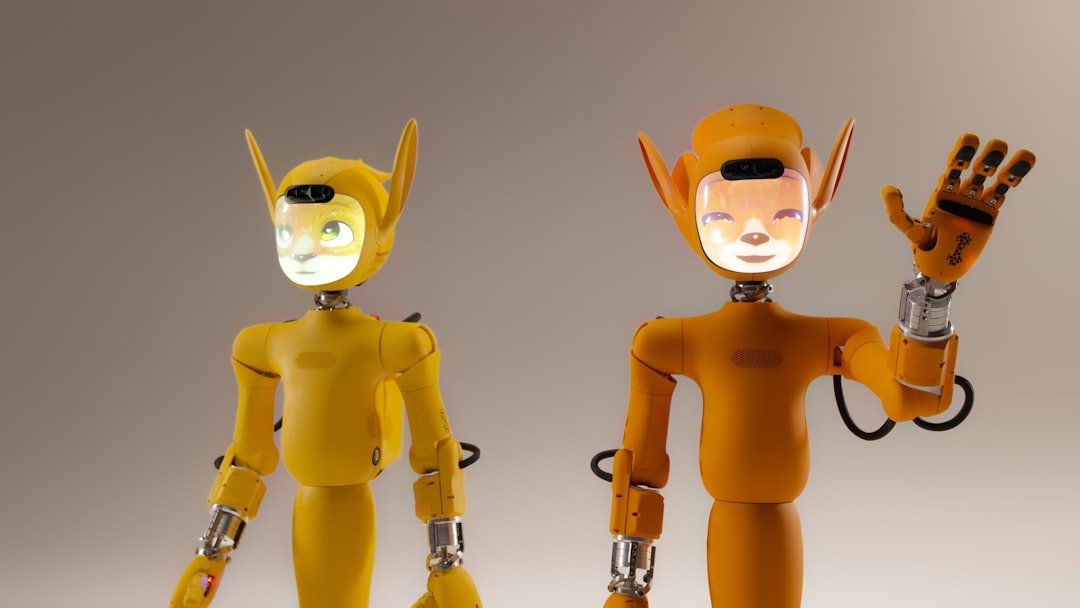
Optimus takes center stage in Musk's vision, with volume production eyed before 2026's close and ambitions for 1 million units yearly, according to NotATeslaApp. A Gen 3 version, boasting upgraded hands, debuts soon—building on prototypes already tackling simple factory chores for R&D, Business Insider reports. Tesla's pouring $20 billion into 2026 capex, double previous levels, including $2 billion for Musk's xAI, per Sky News via Yahoo Finance.
The roadmap extends to Robotaxi rollouts in nine U.S. cities, Cybercab production, and Semi scaling. Musk's new mantra? "Amazing Abundance," a world of universal high income powered by bots like Optimus, as cited in NotATeslaApp. But hurdles abound: regulatory nods for Robotaxi remain uncertain, and Chinese rivals are nipping at heels, notes 36Kr.
Analysts aren't sold. Bloomberg Intelligence's Steve Man told Business Insider that a market-ready Optimus is "at least a couple of years away." The humanoid robot market could balloon to $5 trillion by 2050, estimates K-FOCUS from DONG-A ILBO, but Tesla's bet feels premature amid car woes.
Why This Gamble Could Backfire—or Redefine Tesla
This reeks of desperation, plain and simple. Tesla's revenue slump lays bare a car business in freefall, and hinging everything on Optimus—a bot years from meaningful revenue—smacks of Musk's hype playbook. We've watched Robotaxi delays mount, and with competitors like Rivian gobbling market share, this shift might hasten Tesla's decline if regulators balk or tech falters.
That said, Musk's track record demands attention. If Optimus delivers, it could catapult Tesla into a new era of AI-driven abundance, outpacing rivals and reshaping labor. Investors, brace for volatility: Tesla's evolving from carmaker to robot pioneer, but the road ahead is fraught. Success hinges on execution, not just bold announcements—fail, and this "honorable discharge" becomes a costly retreat.