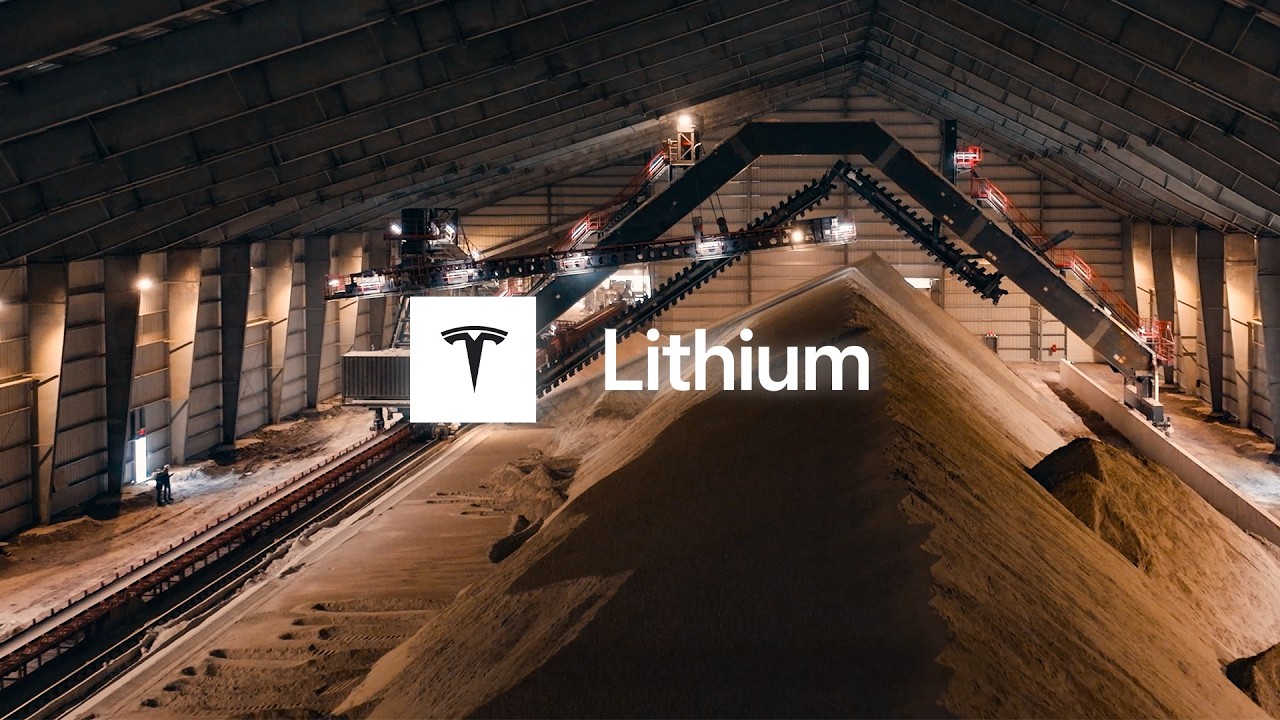
In a significant step toward energy independence and sustainable battery production, Tesla has unveiled its groundbreaking lithium refinery just outside Corpus Christi, Texas. This facility, described as the first of its kind in North America, is poised to transform the way lithium hydroxide—a critical component for electric vehicle (EV) batteries—is produced. According to a recent video from Tesla, the refinery introduces innovative technology that promises to be cleaner, simpler, and more cost-effective than traditional methods. As the world races to meet the growing demand for EVs and energy storage solutions, Tesla’s latest venture could play a pivotal role in regionalizing supply chains and reducing environmental impact. Let’s dive into the details of this ambitious project and explore what it means for the future of battery manufacturing.
A First-of-Its-Kind Facility in North America
Jason Beavenon, the site manager for Tesla’s Gulf Coast lithium refinery, introduces the plant as the first spodumene-to-lithium hydroxide refinery in North America, as highlighted in the video. Spodumene, a lithium-rich hard rock ore, serves as the primary raw material for the facility. The refinery sustainably sources this ore and processes it on-site through a series of advanced systems. According to the video, the process involves moving the spodumene through conveyance systems, a kiln, and a cooler, followed by alkaline leaching, purification steps, and crystallization to produce battery-grade lithium hydroxide. This end product is essential for manufacturing the high-performance batteries that power Tesla’s electric vehicles and energy storage systems.
What sets this refinery apart, as explained by Beavenon in the video, is its focus on sustainability and innovation. Tesla claims to have developed a new technology platform that is inherently more environmentally friendly than conventional lithium processing methods. While specific details about the technology remain undisclosed in the video, the speaker emphasizes that the process is not only cleaner but also simpler and less expensive, potentially setting a new standard for the industry.
A Sustainable Approach to Lithium Production
One of the standout features of Tesla’s Texas refinery, as discussed in the video, is its commitment to minimizing environmental harm. Traditional lithium processing often generates hazardous byproducts, posing challenges for waste management and ecological impact. In contrast, Tesla’s process eliminates such byproducts entirely, instead producing a co-product called “analy,” which can be used in concrete mixes. Though the video does not elaborate on the specifics of “analy” or its applications, this byproduct repurposing underscores Tesla’s broader mission to create a more sustainable supply chain for battery materials.
By focusing on sustainability, Tesla aims to address some of the criticisms often leveled at the EV industry regarding the environmental cost of battery production. The cleaner process described in the video could help reduce the carbon footprint associated with lithium refining, aligning with global efforts to combat climate change. While the video does not provide quantitative data on emissions reductions or other metrics, the emphasis on eco-friendly practices suggests that Tesla is prioritizing long-term environmental benefits alongside operational efficiency.
Accelerated Timeline: From Groundbreaking to Production
Perhaps one of the most impressive aspects of this project, as shared in the video, is the speed at which Tesla brought the refinery to life. Beavenon notes that the company broke ground in 2023, ran ore through the kiln by 2024, and achieved full integrated plant startup in 2025. This rapid progression, described as the fastest time-to-market for a first-of-its-kind technology, was made possible by Tesla’s unconventional approach to project management. According to the video, the company removed many traditional stage-gate hurdles typically seen in large-scale industrial projects, allowing feasibility studies, design, and construction to occur in parallel.
This accelerated timeline reflects Tesla’s broader strategy of pushing boundaries and challenging industry norms. While the video does not delve into the specific challenges or risks associated with such a compressed schedule, it’s clear that Tesla’s ability to execute at this pace could give it a competitive edge in the race to secure critical minerals for battery production. As demand for lithium continues to surge—driven by the global shift toward electrification—facilities like this one could help Tesla maintain its position as a leader in the EV market.
Regionalizing Supply Chains and Boosting Energy Independence
Beyond the technological and environmental innovations, Tesla’s Texas refinery carries significant strategic importance, as outlined in the video. Beavenon explains that the facility enables access to critical minerals necessary for energy storage and battery manufacturing, which are foundational to the growth of the EV industry. By establishing a refinery in North America, Tesla is taking steps to regionalize its supply chain for battery minerals and materials. This move, according to the video, reduces reliance on international supply chains, cuts emissions associated with long-distance transportation, and supports energy independence for the region.
The concept of regionalization is particularly relevant in today’s geopolitical climate, where supply chain disruptions and trade tensions have highlighted the vulnerabilities of globalized production networks. While the video does not mention specific external factors or policies driving this shift, the focus on localized production aligns with broader industry trends toward securing domestic sources of critical materials. Additionally, the video notes that the refinery creates jobs in the Corpus Christi area, contributing to local economic development and reinforcing Tesla’s role as a key player in the North American energy transition.
Analysis: What This Means for Tesla and the EV Industry
Tesla’s Gulf Coast lithium refinery represents more than just a new manufacturing facility; it signals a strategic pivot toward vertical integration and sustainability in the EV supply chain. By controlling a key segment of lithium production, Tesla can potentially insulate itself from price volatility and supply shortages that have plagued the industry in recent years. While the video does not address current market conditions or lithium pricing, the emphasis on regional production suggests a long-term vision to stabilize costs and ensure a steady flow of materials for its battery gigafactories.
Moreover, the sustainable processing technology highlighted in the video could position Tesla as a leader in addressing the environmental challenges associated with battery production. If the claims of a cleaner, simpler, and less expensive process hold true, this innovation could influence how other companies approach lithium refining, potentially raising the bar for sustainability across the sector. However, without detailed data or third-party validation—neither of which is provided in the video—it remains to be seen how impactful these advancements will be in practice.
Another point worth considering is the broader implications of Tesla’s accelerated project timeline. While the speed of construction and startup is impressive, it also raises questions about scalability and long-term reliability. Large-scale industrial projects often benefit from extended testing and phased rollouts to mitigate risks, and Tesla’s decision to streamline these processes, as mentioned in the video, could introduce unforeseen challenges down the line. Still, if successful, this approach could serve as a blueprint for future infrastructure projects in the clean energy space.
Looking Ahead: Challenges and Opportunities
As Tesla moves into full production at its Texas refinery, several questions remain unanswered. The video does not address the facility’s production capacity, the scale of its impact on Tesla’s overall lithium needs, or how it will integrate with other parts of the company’s supply chain. These are critical factors that will determine the refinery’s ultimate significance. Additionally, while the focus on sustainability is commendable, independent assessments of the environmental benefits—beyond the claims made in the video—will be necessary to validate Tesla’s assertions.
From an industry perspective, Tesla’s entry into lithium refining could spur increased competition and innovation in the sector. As other automakers and battery manufacturers seek to secure their own supplies of critical minerals, we may see a wave of similar projects aimed at regionalizing production and reducing environmental impact. For now, Tesla’s Texas refinery stands as a bold experiment—one that could reshape the landscape of battery manufacturing in North America.
Conclusion
Tesla’s Gulf Coast lithium refinery near Corpus Christi, Texas, marks a significant milestone in the company’s mission to accelerate the world’s transition to sustainable energy. As detailed in the video, this first-of-its-kind facility introduces a cleaner, more efficient process for producing battery-grade lithium hydroxide, while also supporting regional supply chains and energy independence. With an unprecedented timeline from groundbreaking in 2023 to full startup in 2025, Tesla has demonstrated its ability to innovate not just in technology but also in project execution. While questions about scalability and long-term impact linger, this refinery underscores Tesla’s commitment to tackling the challenges of EV battery production head-on. As the industry watches closely, this facility could herald a new era of sustainable, localized manufacturing for the electric vehicle revolution.